
As 2025 winds down, some of our favorite dictionaries are engaging in an annual tradition: choosing a Word of the Year (WOTY). What started decades ago with the American Dialect Society has become a word lover’s buffet, with major dictionaries declaring which words best captured the past year.
These contests offer more than entertainment for word lovers, though. They create a linguistic snapshot of our collective experiences, showing us what we puzzled over and what fascinated us throughout the year. For editors and writers, they provide us with insight into evolving language patterns and emerging terminology that may soon become part of our everyday vocabulary. Or not. Some words capture our attention briefly and then fade away.
From AI-generated content to online behavior to social relationships, this year’s selections tell a story about how we’re navigating an increasingly digital world (as if it weren’t digital enough already!). Let’s explore what the major dictionaries chose for 2025 and why these words matter.
American Dialect Society
The American Dialect Society (ADS) is the originator of the WOTY contests, choosing its first winner, bushlips, meaning “insincere political rhetoric,” for 1990. The contest is held in the January following the year being voted on. Generally in November, ADS accepts public nominations for WOTY, as well as several other categories. (Vote now!) During ADS’s annual meeting, more nominations can be taken from the floor. Then, meeting attendees vote for a winner.
Past WOTYs
- 2024: rawdog (v.)
- 2023: enshittification (n.) (Cory Doctorow published a book this year about this concept.)
- 2022: -ussy (suffix)
- 2021: insurrection (n.)
See below for ADS’s 2025 winner.
Cambridge Dictionary
parasocial (adj.): “involving or relating to a connection that someone feels between themselves and a famous person they do not know, a character in a book, film, TV series, etc., or an artificial intelligence”
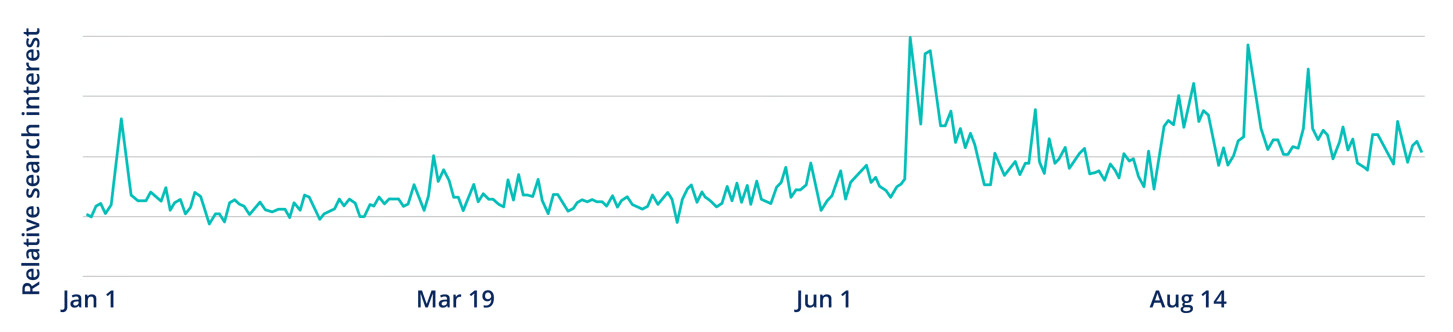
This UK English dictionary chooses its winner by increased lookups, “driven in part by debate on social platforms about the ethics of marketers and influencers who take advantage of parasocial relationships.” Lookups for parasocial shot up on June 30 when a YouTube streamer blocked a fan he labelled as his “number 1 parasocial.”
Runners-Up
- pseudonymization (n.)
- memeify (v.)
Collins Dictionary
vibe coding (n., slang): “the use of artificial intelligence prompted by natural language to assist with the writing of computer code”
Another UK English dictionary, Collins makes an editorial decision based on usage and events of the past year. The dictionary’s editors said that vibe coding “captures something fundamental about our evolving relationship with technology.” They also noted that many entries on their shortlist are tech related and how we’re “grappling with authenticity in an increasingly performative world.” (You’ll read more about performative below.)
Runners-Up
- aura farming (n., slang)
- taskmasking (n., slang)
- broligarchy (n., slang, usually derogatory)
- biohacking (n. informal)
Dictionary.com
67 (slang): Pronounced as two words—“six seven”—this slang term means “largely nonsensical,” “ambiguous,” sometimes meaning “so-so, maybe this, maybe that.”
This might have been the first WOTY for 2025, announced back in late October. The folks at Dictionary.com analyzed “newsworthy” headlines, social media trends, and search engine results, as well as dictionary lookups.* Dictionary.com noted that since June 26, searches on 67 “have increased more than sixfold, and so far the surge shows no signs of stopping.” Is this just about numbers? They don’t think so. Other two-digit numbers don’t show the same kind of lookup increases.

Runners-Up
- agentic (adj.)
- aura farming (slang)
- broligarchy (n.)
- clanker (n.) (As an SF fan, I particularly like this one.)
Macquarie Dictionary
Committee Winner
AI slop (n., colloquial): ”low-quality content created by generative AI, often containing errors, and not requested by the user”
People’s Choice
AI slop (n., colloquial)
Editors of Australian English dictionary Macquarie created a longlist of words from 13 categories (2025 longlist; PDF download) and then created a shortlist (2025 shortlist; PDF download) from that. A select committee then chose a WOTY. The shortlist was shared with the public who chose a People’s Choice winner.
Runners-Up
- attention economy (n.)
- clanker (n., colloquial)
- medical misogyny (n.)
Merriam-Webster Dictionary
slop (n.): “digital content of low quality that is produced usually in quantity by means of artificial intelligence”
Announced just this week, Merriam-Webster editors chose their WOTY by lookups. Which means, in effect, dictionary users are the ones choosing the WOTY. What puzzles us? What do we want to know more about? It’s a fun way to get a sense of what the year was about—or at least what drove us to our dictionaries.
Runners-Up
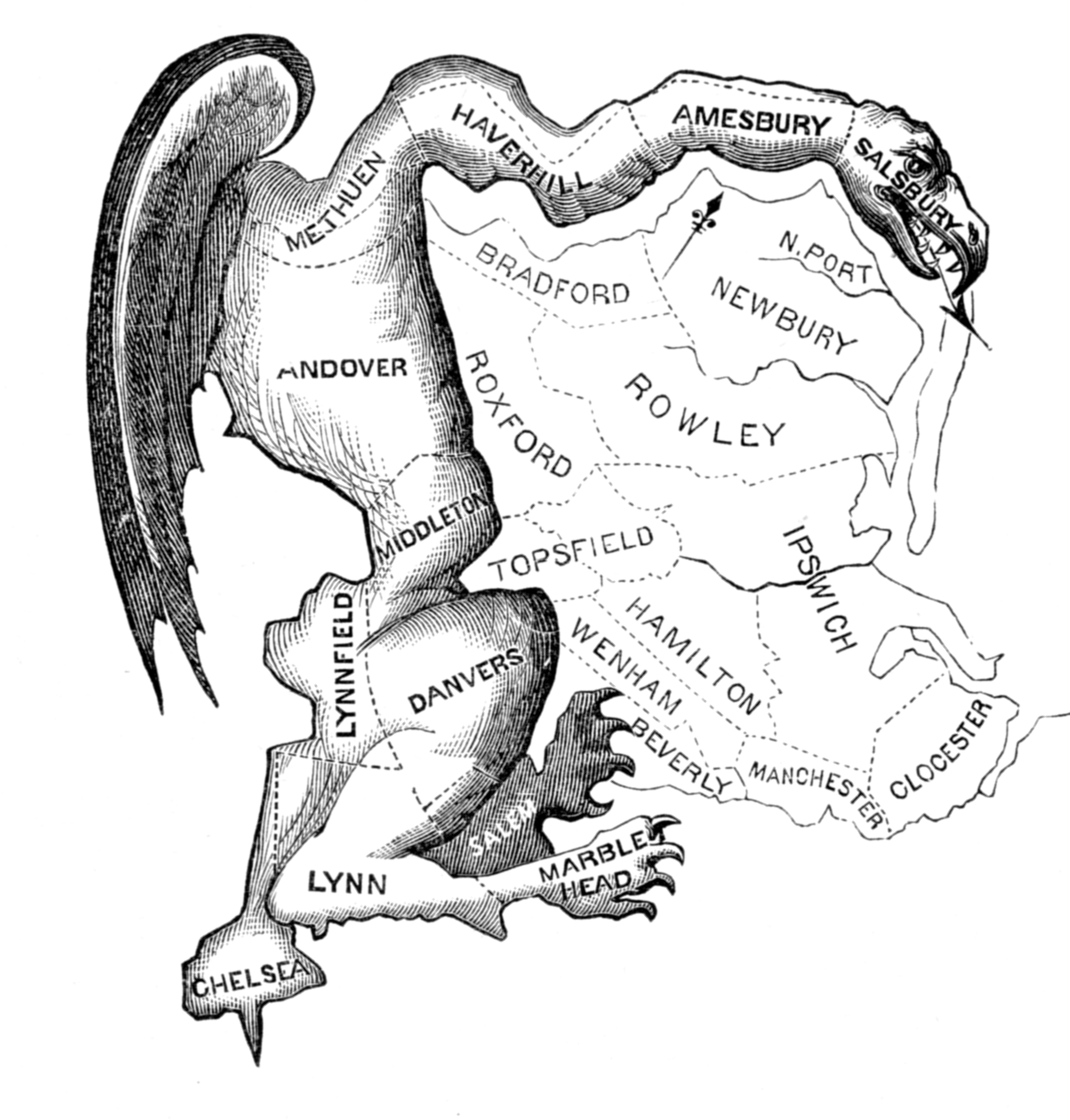
- gerrymander (n., v.) (My hometown was one of the cities gerrymandered in 1812 that inspired the word.)
- touch grass (idiomatic phrase)
- performative (adj.)
- tariff (n.)
Oxford Dictionary
rage bait (n.): “online content deliberately designed to elicit anger or outrage by being frustrating, provocative, or offensive, typically posted in order to increase traffic to or engagement with a particular web page or social media account”
Chief among UK English dictionaries, and perhaps all English dictionaries, Oxford Dictionary reviewed data and trends to “identify new and emerging words and expressions” and changes in language. The dictionary’s lexicographers also take suggestions from colleagues and the public. The goal? To come up with a shortlist of words of “cultural significance” in relation to the year. Then they put the list out for a public vote. This year, over 30,000 people voted.
Usage of rage bait grew enormously in 2025. Oxford’s lexicographers felt that this indicated a “deeper shift in how we talk about attention—both how it is given and how it is sought after—engagement, and ethics online.”

Runners-Up
- aura farming (n.)
- biohack (v.)
Worldwide Themes, Worldwide Experiences
Themes seemed to stretch beyond one dictionary or one area of the world. We’re clearly preoccupied with AI and technology: Vibe coding, AI slop, and slop all address our evolving relationship with artificial intelligence.
Meanwhile, rage bait, aura farming, and parasocial reflect our growing awareness of how online spaces shape behavior and relationships. Aura farming appeared on four shortlists, while variations of slop took top honors at two dictionaries. Clanker and broligarchy also made multiple appearances.
But it’s not just tech we’re concerned about. Dictionaries also highlighted words about politics (gerrymander), economics (tariff), and even what all the cool kids are saying (67). Language continues to reflect our whole experience.
These words also remind us that language evolves not in academic committees but in daily use—in social media posts, news articles, and conversations. They’re the words we reached for when existing vocabulary fell short.
Want to dive deeper into the stories behind words? Explore more etymology and language evolution in my Word Stories posts.
*Just like it sounds, a lookup is an instance of a user looking up a word on the dictionary’s website.
LATE ADDITION: Society for Canadian English
maplewash (v.): “to make [something] appear Canadian”
The Society for Canadian English is a consortium of organizations, including Editors Canada, the UBC Canadian Word Centre, and Strathy Language Unit at Queen’s University, working to create a new Canadian English dictionary. (The last Canadian English dictionary was published by Oxford University Press in 2004.) Maplewash dates to 2016, but it gained new life in 2025 as Canadians’ feelings toward American products changed.
Let’s hope the society continues to participate in the WOTY fun!

Runners-Up
- elbows up (idiomatic phrase)
- renoviction (n.)
- ding (n. and adj.)
UPDATE: ADS’s 2025 WOTY
On January 9, 2026, 300 attendees at the ADS annual meeting chose the 2025 Word of the Year.
slop (n): “low-quality, high-quantity content, most typically produced by generative AI; also as a combining form for anything lacking value produced in mass quantities”
Yet another WOTY crown for slop! This word clearly resonated with many, many English speakers. As Dr. Kelly Elizabeth Wright of the University of Wisconsin-Madison noted in the press release, “Slop isn’t a new word. It has moved from the pig sty, to the algorithm, and now forms new compounds such as sloppunk, slopification, and friend slop. … This productivity has no end in sight.”
Runners-Up and Other Word Contests
- rage-bait (n.)
- 6-7 (interjection)
- reheat nachos (v.)
In addition to WOTY, ADS votes on other word categories, such as:
- Most Useful: that’s AI (statement)
- Most Likely to Succeed: chopped (adj.)
- Political Word of the Year: icy conditions (n.)
Nominations for 2026’s WOTY contest is already open. Nominate your favorites!