
In February, I was stuck. I couldn’t find the time to finish my business plan for the year, so I recorded my ideas as voice memos and used an AI tool to sort them into a loose, good-enough plan. Last month, I went back through the plan to see how it held up.
What Got Done
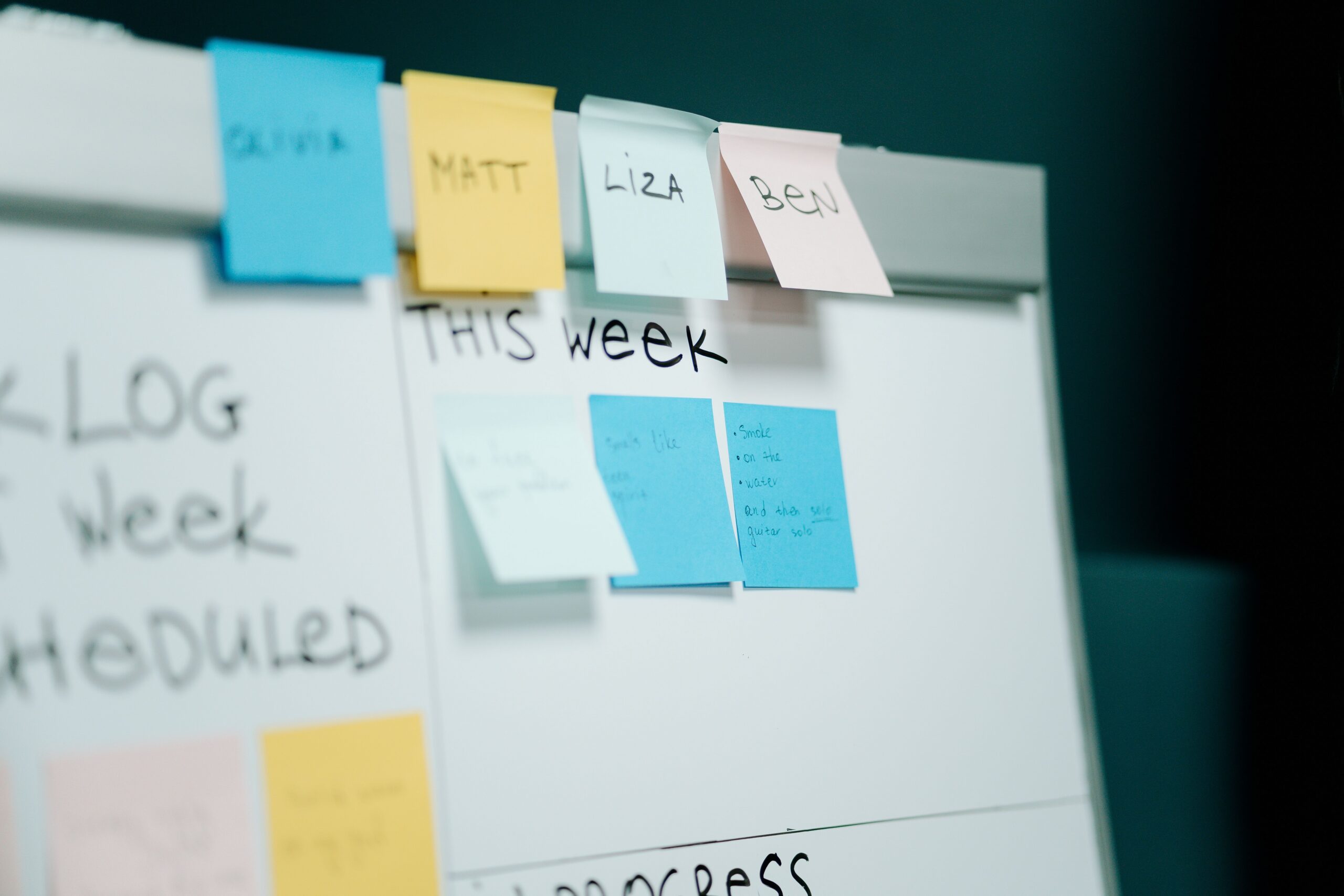
I started by creating a project board from the plan, and I reviewed it monthly. I worked through the tasks consistently, month after month. That is, until August, when business got busy (yay!) and I stopped opening the project board file.
My first task was to reach out to current and past clients for testimonials and referrals. It paid off. I landed three new projects and have refreshed the testimonials on my site.
I was also able to complete my quit list—a list of things to stop doing for various reasons. I was aggressive about checking things off that list to create more time for new priorities, and it worked. I plan on making a quit list for next year, too.
What Didn’t Get Done
When I sorted the board into “done” and “not done,” a pattern emerged. One-time setup tasks got done, things like drafting outreach emails, building a simple client tracker, and writing message templates.
What didn’t work was building habits, like a weekly LinkedIn prospecting block, a protected business hour every morning, and quarterly check-ins with every client.
Sometimes it was because the task itself didn’t work for me. I really didn’t like the LinkedIn prospecting and results weren’t stellar, so why keep doing it?
Other times, the task needed adapting. Quarterly check-ins with every client turned out to be too much, so I cut them to two contacts a year: one asking for a referral or testimonial and one year-end thank-you with no ask attached.
In other cases, the habit just didn’t stick. I have yet to create a dedicated, consistent block of time for business tasks. I’ll work with my business coach to see why that might be and brainstorm some solutions.
Overall, I was more willing to try new things this year and to stop them sooner when they weren’t working. In the past, I would have stuck with things longer, ignoring the little voice inside of me saying, “This isn’t working.” I’m really happy about listening harder to that voice.
Plan Limitations
For me, the loose plan had its limits.
It was too big. It covered four business initiatives, plus volunteer work and new technology. I had unlimited ambitions but limited time and energy. My training products barely moved. They were my third priority, and the first two took all the time I had.
I’d tell a coachee that this is okay because they’d stuck to their priorities. Not getting to a third priority tells them what’s truly valuable to them. It also gives them something to explore if the first two priorities don’t work out or are completed quickly.
But it left me feeling stressed. That third priority was constantly dogging me. It’s something I really wanted to do but didn’t have sufficient time for. I’d work a little on it and then have my attention drawn away to something more urgent. This is something else I can talk to my coach about.
It required more thinking. When I was tired or busy, I didn’t have the energy to dig back into a loose plan and work out what to do next. I missed having a detailed checklist that just told me what to do.
I ended up turning the loose plan into a detailed task list for one month, with hour estimates. That made me feel more focused and guided. I’m going to work on how to adjust for next year.
It got set aside when things got busy. Business was especially busy in August and September, and I was just treading water with my strategy. I didn’t just skip the monthly task list; I stopped looking at the plan altogether.
Not having dates attached to tasks at least reduced my stress about not doing anything for several weeks. And maybe that’s okay, but I would like to work on it at least a little during busy times. Next year, I’ll look for quick tasks I can do during busy times to keep up the momentum.
Did I get more done than the years where I made the elaborate plan? I don’t think so, but what I worked on shifted. I focused on actively reconnecting with past clients and on building one type of client. Those activities turned into new projects and potential future clients.
What’s Next
For next year, I’ll plan in a similar way, with a few changes. I’ll continue with voice memos and build on the documents I created this year. I’ll keep the “now, next, and soon” structure. And I’ll work with my coach and peer groups to work on the challenges I’ve uncovered.
The most important change I’ll make is to create a smaller plan, because my biggest lesson this year is that I need to adjust my expectations of how much I can do.
Publishing and editing are in a period of disruption, and many of us are struggling. You’re not a failure, but it will take time to adjust to what comes next. Cultivating a mindset of disruption as an opportunity will help. Ask yourself where you’re getting stuck. What do you feel like you’re failing at? What questions are you asking yourself over and over?
If you’re not sure how to answer these questions, we can figure it out together. Book a one-hour coaching session with me and we’ll untangle it. You’ll leave with one priority, one task, and a deadline to get you moving.
Get Personalized Guidance
Navigating the changing editorial landscape can be overwhelming on your own. Book a one-on-one business coaching session to develop a customized strategy for your editing business. Together, we’ll assess your skills, identify promising opportunities, and create an action plan tailored to your specific situation.